
Understanding the psychology of gambling Insights from allyspin casino
The Allure of Gambling
The appeal of gambling is deeply ingrained in human psychology. Many people are drawn to the thrill of uncertainty and the excitement of chance. This allure often stems from the potential for financial reward, but it is equally tied to the emotional experience that gambling provides. For many, the anticipation and adrenaline rush of placing a bet can be exhilarating, leading to repeated participation. In this context, it’s worth exploring resources like cainoallyspin.com that highlight these experiences.
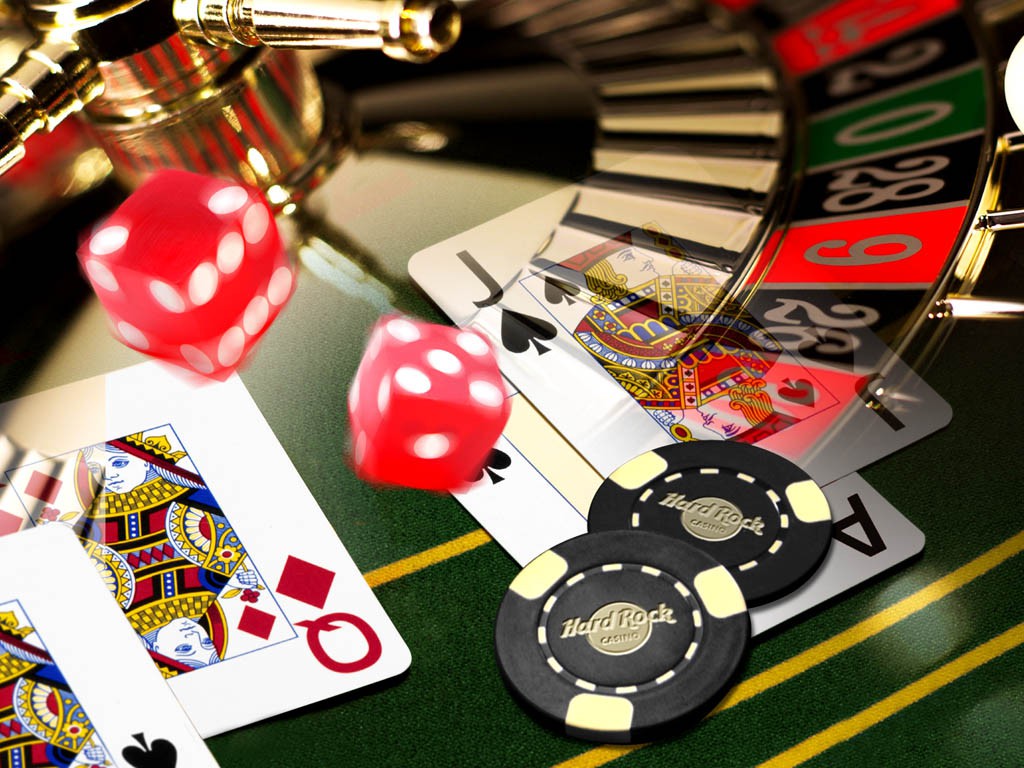
Moreover, the environment in which gambling occurs significantly enhances this allure. Online platforms like AllySpin Casino create immersive experiences with vibrant graphics and engaging sounds that stimulate the senses, further deepening the attraction. This sensory engagement plays a crucial role in the psychological draw of gambling.
The Role of Reward Systems
Human brains are wired to seek rewards, a mechanism that plays a pivotal role in gambling behavior. The concept of intermittent reinforcement, where rewards are not given consistently but instead appear sporadically, can lead to compulsive gambling. In a casino setting, every win, no matter how small, reinforces the behavior, prompting players to continue betting in hopes of the next big win.
AllySpin Casino capitalizes on this psychological principle by offering various incentives, including bonuses and promotions that encourage players to engage more frequently. The thrill of potential rewards can overshadow the risks, leading to a cycle that is hard to break for some individuals.
Cognitive Biases in Gambling
Cognitive biases significantly influence gambling behavior. One common bias is the illusion of control, where players believe they can influence the outcome of a game based on their choices. This is particularly evident in games like poker or sports betting, where skill is involved to some extent. However, this belief can lead to overconfidence and increased betting.
Another cognitive bias is the gambler’s fallacy, which is the mistaken belief that past events can influence future outcomes in games of chance. For instance, a player might believe that a slot machine is “due” for a win after a series of losses. These biases can cloud judgment and lead to risky behaviors that have consequences beyond the gambling experience.
Gambling in Popular Culture
Gambling has been prominently featured in popular culture, from movies to music, shaping public perceptions and attitudes towards it. Iconic films and shows portray gambling as a glamorous and thrilling endeavor, often glamorizing the high-stakes world of casinos. This portrayal can influence how individuals view gambling in real life, normalizing risky behaviors and the pursuit of quick wealth.
Moreover, popular culture often overlooks the negative aspects of gambling, such as addiction and financial ruin. This skewed representation can lead to a misunderstanding of the risks associated with gambling, making it essential for players to approach these experiences with a balanced perspective and a clear understanding of their limits.

Exploring AllySpin Casino
AllySpin Casino offers an extensive selection of gaming options, showcasing over 2,000 games that cater to various tastes and preferences. This diversity not only enhances the entertainment value but also taps into different psychological triggers that appeal to players. From the thrill of spinning the reels to the strategic challenge of table games, AllySpin creates a comprehensive gambling experience.
With features like quick withdrawals and generous bonuses, AllySpin Casino prioritizes player satisfaction and engagement. The platform’s commitment to fair gameplay is evident through its licensing, ensuring a secure environment for users. By blending entertainment with responsible gaming practices, AllySpin Casino aims to provide a holistic gambling experience that acknowledges the psychological intricacies involved.
Leave a Reply